




The Death of Iran’s Supreme Leader: The End of an Era

The death of Ali Khamenei, Iran’s Supreme Leader, marks one of the most significant turning points in the country’s modern history. For more than three decades, he stood at the center of Iran’s political, religious, and military power structure. His passing closes a long chapter that shaped not only Iran’s internal policies but also the broader geopolitical landscape of the Middle East.
A Leader Who Defined Modern Iran
Ali Khamenei became Iran’s Supreme Leader in 1989 after the death of Ruhollah Khomeini, the architect of the 1979 Islamic Revolution. Though initially seen by some as a transitional figure, Khamenei gradually consolidated authority and emerged as the most powerful individual in the country.
Under Iran’s political system, the Supreme Leader holds ultimate authority over the armed forces, judiciary, intelligence agencies, and key state institutions. While Iran has an elected president and parliament, their powers operate within the framework defined by the Supreme Leader. Over time, Khamenei became the final voice on matters ranging from domestic reforms to foreign policy strategy.
Domestic Influence and Control
During his tenure, Khamenei oversaw periods of both economic difficulty and political unrest. Iran faced international sanctions, inflation crises, and repeated waves of public protest. Demonstrations in 1999, 2009, and the 2022–23 “Woman, Life, Freedom” movement challenged the government’s authority and brought global attention to human rights concerns within the country.
Supporters viewed him as a guardian of national sovereignty who resisted foreign pressure and maintained ideological continuity. Critics argued that his leadership limited political freedoms and suppressed dissent. Regardless of perspective, his influence on Iran’s political identity was undeniable.
Regional and Global Impact
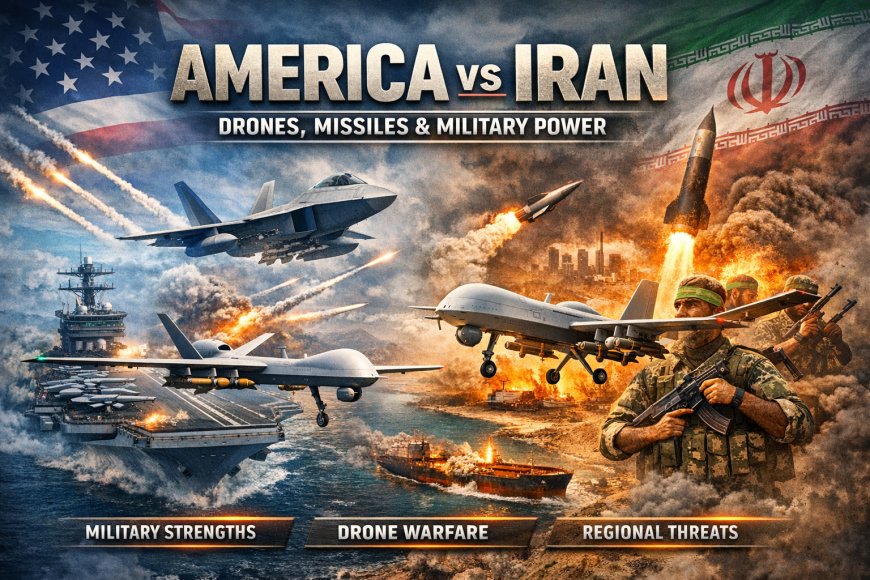
Khamenei’s foreign policy approach significantly shaped Iran’s role in the Middle East. Under his leadership, Iran expanded its regional alliances and influence in countries such as Iraq, Syria, Lebanon, and Yemen. Relations with the United States and Israel remained tense throughout his rule, and Iran’s nuclear program was a persistent source of global diplomatic friction.
His decisions often carried consequences far beyond Iran’s borders, influencing energy markets, regional security dynamics, and international negotiations.
What Happens Next?
With the Supreme Leader’s death, attention turns to Iran’s succession process. According to the constitution, the Assembly of Experts — a clerical body — is responsible for appointing a new Supreme Leader. Until a successor is chosen, a temporary leadership arrangement ensures continuity of governance.
The transition period could determine Iran’s future direction. Will the next leader maintain strict ideological continuity, or will there be space for gradual reform? Much depends on internal power balances among political elites, the Revolutionary Guard, and religious authorities.
A Defining Moment
The passing of Ali Khamenei is more than the death of a single political figure; it represents a moment of reflection for Iran and the region. His leadership spanned wars, sanctions, nuclear negotiations, social movements, and shifting global alliances. Whether remembered as a defender of the revolution or as a symbol of rigid authority, his legacy will remain deeply embedded in Iran’s modern story.
As Iran enters a new phase, the world watches closely. The decisions made in the coming months will shape not only the country’s internal trajectory but also the stability and balance of power across the Middle East for years to come.
What's Your Reaction?